How to Choose the Right Connector for Your Application?
A connector can fit the panel and still be the wrong choice for the system.
A sealed receptacle may need a cap when the cable is disconnected.
A high-density insert may fit the available space, while its back shell leaves too little room for the cable to bend. The best time to catch these issues is before the panel cutout, PCB layout and cable harness are finalized.
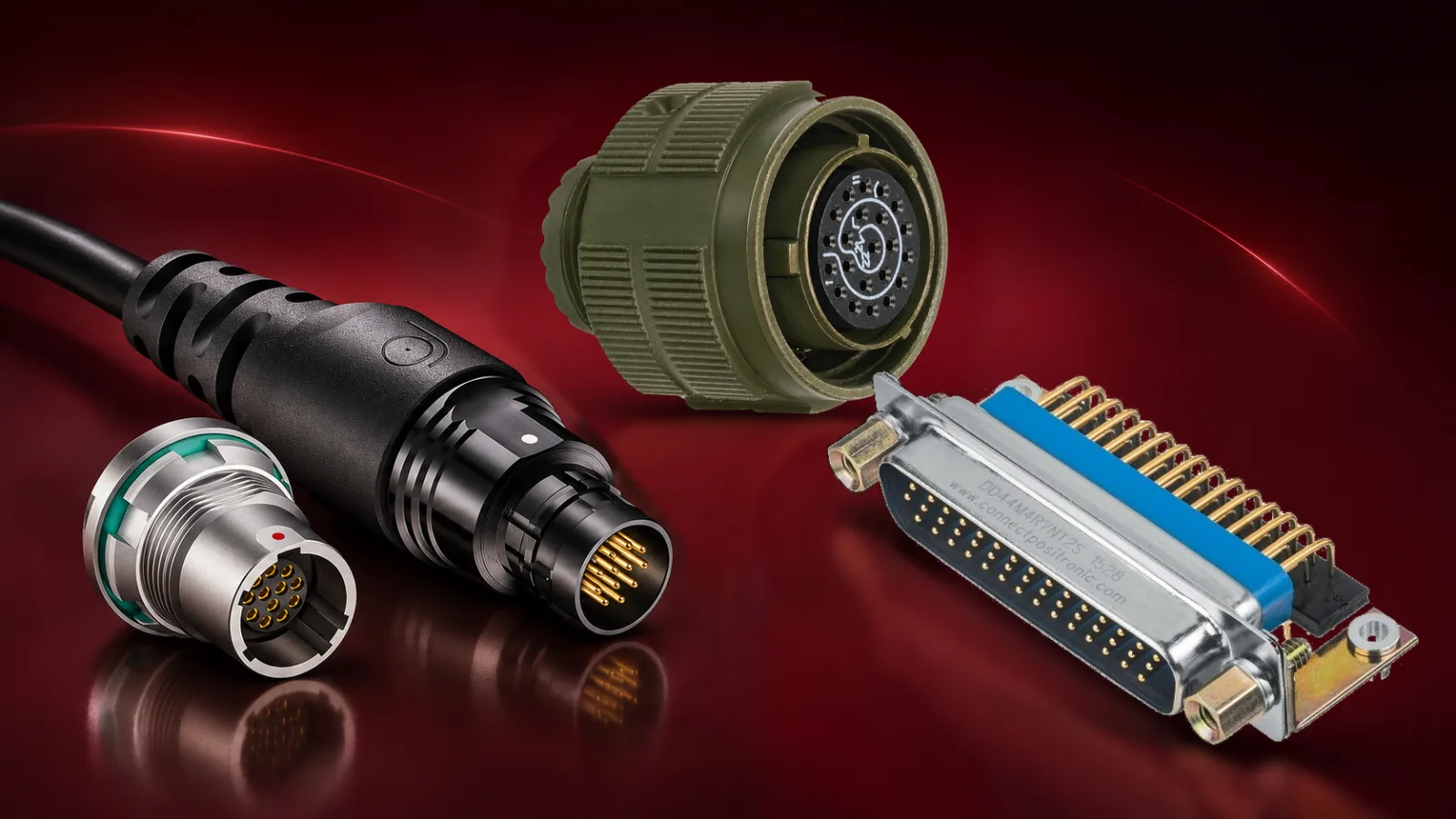
At BOS ODEM, our Design-In team works with engineers to turn application requirements into a shortlist of connector configurations. Here is how we approach that decision, with examples from Positronic, Fischer Connectors and Amphenol.
Define the interface before selecting a part number:
Design decision #1
What crosses the interface?
What to specify
List the power, signal, data, RF and optical connections. Record the contact count, current per power contact, operating voltage, wire gauge and any protocol or impedance requirements. Check current derating for the actual contact arrangement and operating temperature.
Design decision #2
What will the connector be exposed to?
What to specify
Define the temperature range and expected exposure to water, dust, salt, vibration or shock. Specify whether ingress protection is needed when mated, unmated or capped. If the application has a leak-rate requirement, specify it separately. Record any required EMI shielding, materials, plating or qualification standards.
Design decision #3
Who mates and disconnects it?
What to specify
Estimate the number of mating cycles and confirm whether the connector is accessible by hand, operated with gloves or mated blind inside a chassis. Choose a coupling mechanism that fits the service procedure and retention requirements.
Design decision #4
What needs to fit behind the panel?
What to specify
Check the mounting method, connector depth, cable exit, bend radius and clearance for installation and removal. Review the plug, receptacle, contacts, backshell and strain relief as an assembly.
Design decision #5
How will it be built and supported?
What to specify
Choose wire or PCB termination, identify any assembly tooling, and confirm prototype quantities, production lead times and lifecycle requirements. Include the mating half and required accessories when estimating the cost of the complete interface.
Three applications, three starting points
Power and control signals at the same panel opening.
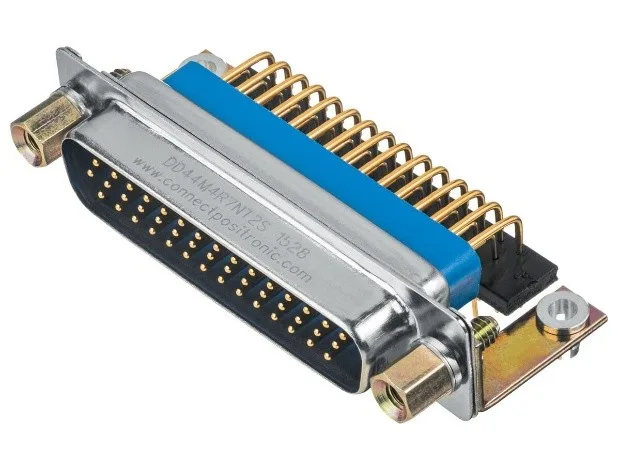
A control module that needs a power feed and several signal lines may benefit from a Positronic Combo-D.
Its mixed-density D-Sub layout can combine power and signal contacts in one shell.
Start with the electrical requirements for each circuit, then check whether the available insert can accommodate them.
A cable that technicians connect and disconnect frequently.
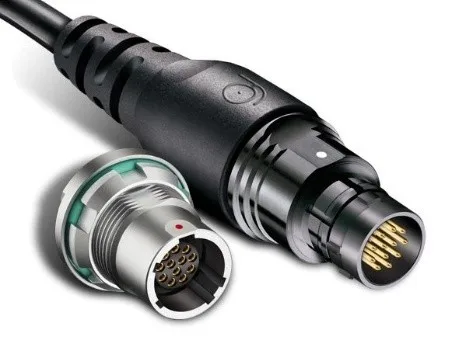
For a portable instrument or field-service interface, a Fischer Core Series push-pull configuration is worth evaluating when quick, tool-free mating matters.
Check the mating-cycle rating for the selected configuration and whether it meets the sealing requirement in the state the equipment will actually be used and stored.
A circular interface with a specified coupling or qualification requirement.
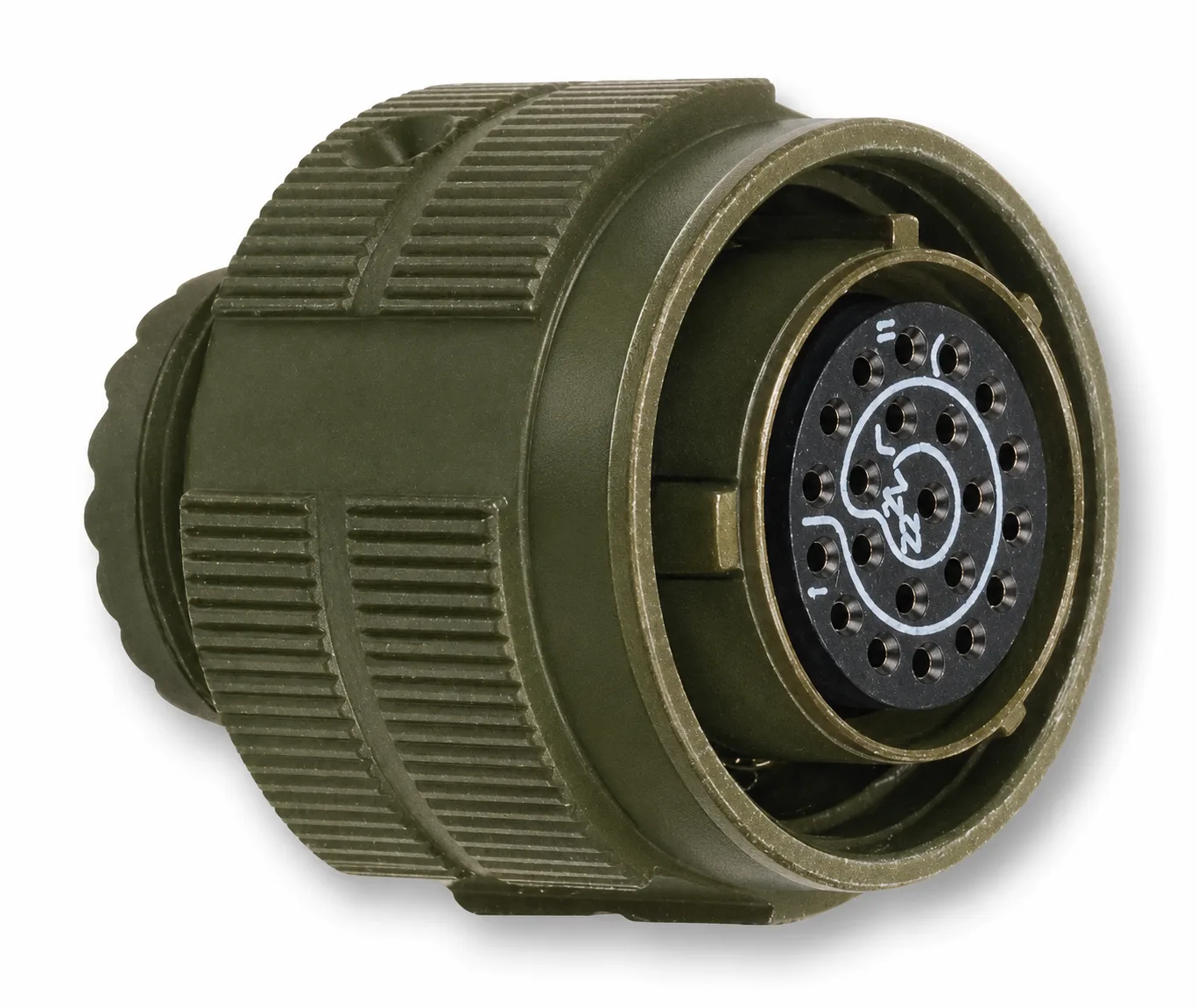
When a project calls for MIL-DTL-38999 Series III, Amphenol Aerospace Tri-Start is a starting point for evaluating a threaded circular connector. Verify the exact part number, insert arrangement, shell material, finish and applicable qualification against the project specification.
Bring BOS ODEM into the design-in before the interface is fixed!
When standard connector configurations do not fully meet the application requirements,
our Design-In engineers work directly with the manufacturers’ engineering teams to explore modified or customized solutions.
Photo gallery
3 photos